
Published May 8, 2026
Hurricane Preparedness Information

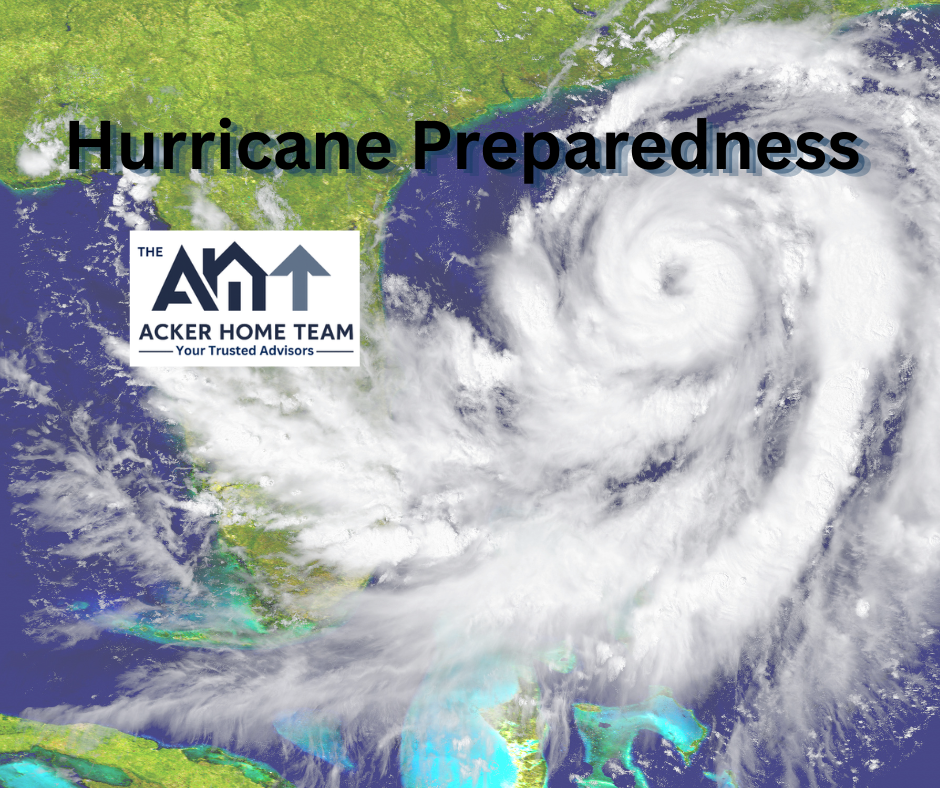
As residents of North Florida, hurricane season is not a distant possibility — it is a reality we face every year beginning June 1. Hurricane Preparedness Week serves as an important reminder that the time to prepare is before a storm appears in the Gulf or Atlantic. Too often, families wait until a storm is already approaching to gather supplies, review evacuation routes, or make emergency plans, only to find empty store shelves, long fuel lines, and limited time to act.
According to the National Oceanic and Atmospheric Administration (NOAA), early preparation is one of the most effective ways to protect your family, property, and peace of mind. Residents across North Florida from coastal communities to inland neighborhoods; remain vulnerable to storm surge, flooding, tornadoes, extended power outages, and destructive winds. Hurricanes are not just a coastal threat; inland flooding and falling trees can create dangerous conditions hundreds of miles from landfall. (National Weather Service)
Now is the time to develop a family emergency plan, review evacuation zones, inspect your home for vulnerabilities, and assemble a disaster supply kit with essentials like water, nonperishable food, medications, batteries, flashlights, chargers, cash, and important documents. Experts also recommend checking insurance policies early, especially flood insurance, since many policies require a 30-day waiting period before coverage begins. Families should also think beyond the basics by preparing for pets, elderly family members, and those with medical needs. In North Florida, where storms can disrupt power for days or even weeks, generators, portable power stations, and backup communication plans can make a major difference during recovery efforts. (nesdis.noaa.gov)
Equally important is staying informed through trusted and official sources. During hurricane season, misinformation spreads quickly online, making it critical to rely on reputable agencies and local authorities for updates. Residents should follow the National Hurricane Center, NOAA Weather Ready Nation, Florida Division of Emergency Management, and their local emergency management offices on social media for evacuation orders, forecast updates, and emergency alerts. Local news stations, weather teams, and National Weather Service offices also provide critical real-time information specific to North Florida communities. Understanding the difference between a hurricane watch and warning, monitoring forecast cones responsibly, and remaining alert even after a storm passes are all essential parts of staying safe. Experts remind us that many hurricane-related injuries and fatalities occur after the storm due to flooding, downed power lines, generators used improperly, and unsafe cleanup conditions. (National Weather Service)
Hurricane Preparedness Week is ultimately about taking action before the pressure and uncertainty of an approaching storm arrives. A few simple steps taken today can dramatically improve safety, reduce stress, and help families recover more quickly when severe weather impacts our area. North Florida communities are resilient, but preparation remains our strongest defense. As this hurricane season approaches, take time to review your plans, restock supplies, stay connected to trusted information sources, and encourage neighbors, friends, and family members to do the same. One storm can change everything, but being prepared can change the outcome.
As your trusted advisor and neighbor here in North Florida, I want you to know that I am here to help however I can before, during, and after a storm. Whether you need guidance on preparing your home, finding local resources, navigating recovery efforts, or simply need someone to point you in the right direction during a difficult time, you do not have to face hurricane season alone. Strong communities are built by people helping people, and I remain committed to being a reliable resource for you and your family no matter what situation arises.